SUDAN
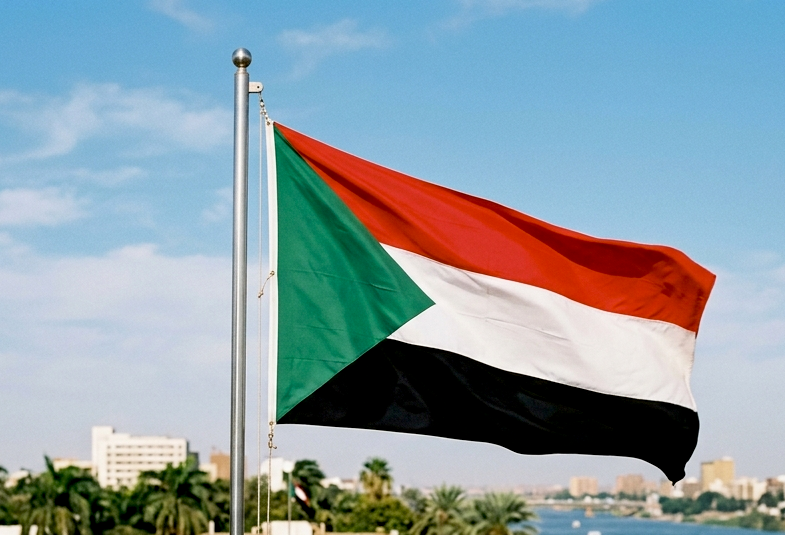
Historical Background
17th century
Sudan’s rulers begin to embrace Islam
1899-1955
Sudan is considered to be the Anglo-Egyptian Condominium, under British-Egyptian control
The British distinguish Sudan from Egypt
The British separate north Sudan from south Sudan
1956 - 1972 (FIRST CIVIL WAR)
The British withdraw from Sudan
creating a political vacuum
that is filled by Islamic fundamentalism
Fundamentalists attempt to
aggressively spread Islam through
Jihad and by discriminating against
southerners
Sudan’s first Constitution
does not clearly address:
1) whether Sudan would be
an Islamist or secular nation
2) the country’s federal structure
Once in office, the Arab-led
government renege on its
promise to create a federal system
The broken promise leads
to a mutiny by southern army officials
The war ends in 1972 with the
Addis Ababa Agreement
and the creation of the
South Sudan Autonomous Region
1983 - 2005 (SECOND CIVIL WAR)
President Nimeiri introduces
Sharia law and reneges on
Addis Abba Agreement
(including South Sudan Autonomous Region)
Casualties exceed 2.5 million
and widespread CRSV
2003 (DARFUR WAR)
War ends in 2005 when the
parties sign the
Comprehensive Peace Agreement
President Bashir legitimizes
the Janjaweed by formally
organizing the militia under
the RSF and utilizing them
as border security
2018 - 2022
2013
Genocide
Escalating bread prices
led to street-wide protests,
marches, sit-ins, and mass attacks
Military cleared protests
with tear gas, sound bombs, rape etc.
sparking massive backlash
and nationwide protests
Political unrest led to
two Presidents being removed
from office
This led to the heads of
the SAF (Burhan) and RSF (Hemedti) sharing power. However, Burhan
was the de facto head of state
The December 2022 deal
concerning the future of Sudan’s
governance included a
pathway for national elections
and civilian leadership. However,
it failed to find a way to integrate
the RSF in Sudan’s new
political apparatus
Tensions spilled over and
the RSF returned to targeting
and killing non-Arab groups
like the Masalit people in Darfur
2023 - PRESENT (THIRD CIVIL WAR)
This war is currently the
world’s:
largest humanitarian and
displacement crisis
worst famine
CRSV has been widespread and constant
Historical Context
Prior to being occupied by Egypt (and Britain),
North Sudan had a history of pedastilizing Arab culture
due to Arab migrants
These tribes primarily had Arabic speech, culture, outlook, and followed Islam
Being able to claim direct association with Arab people has historically been a marker of social and cultural status
NORTH SUDAN
Refers to the area now known as South Sudan
At certain points, southern tribes were kept as
slaves and domestic help for northerners.
From the 1930s the British enacted a policy
that was aimed at maintaining the south’s non-Arab identity
Northern traders were expelled from the land
The spread of Christianity was encouraged
In comparison to the North, those in the
south lagged in education, economic development,
and political experience
SOUTH SUDAN
Takeaways
1956 - 1972 ( FIRST CIVIL WAR)
CRSV cases were not tracked during this war
therefore we cannot determine how CRSV presented itself during this time
There were many factions involved in this war
This war played out on ethnic grounds pitting Arabs against non-Arabs
DARFUR WAR
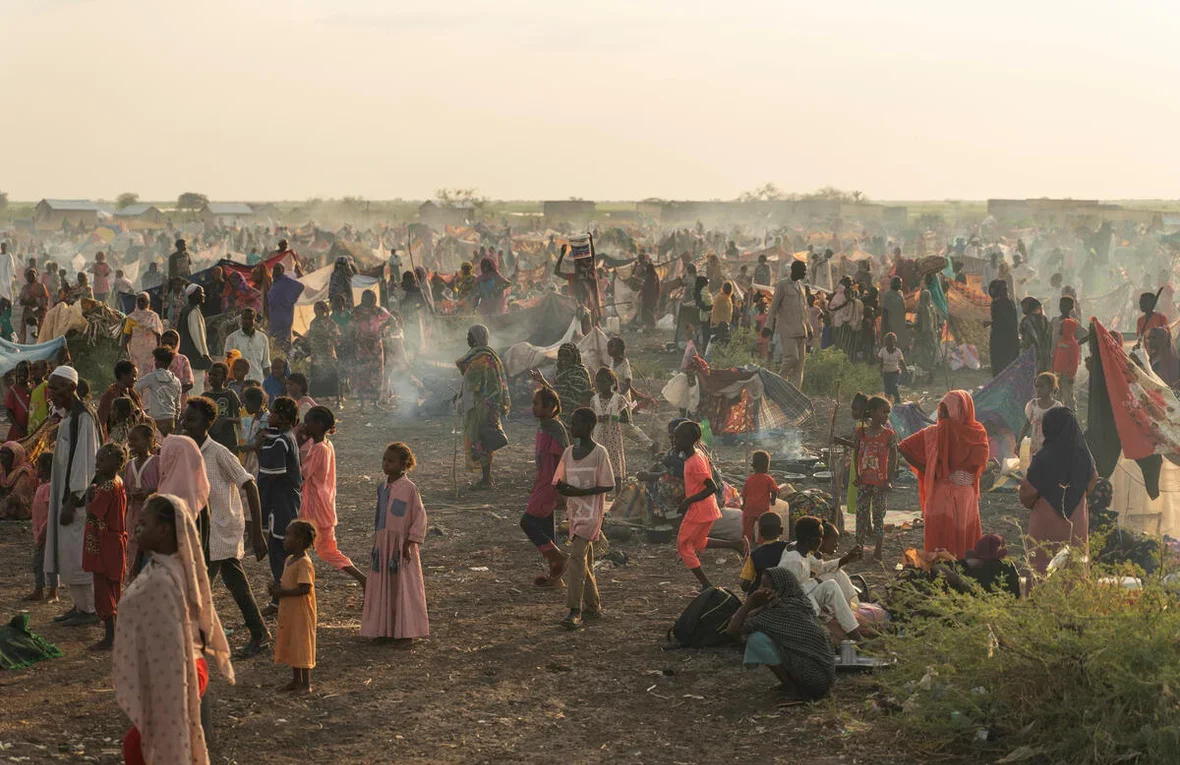
Widespread sexual violence place near or in IDP camps, rural areas near military bases, or in areas under rebel control
Survivors are targeted primarily because of their non-Arab ethnic background
The Janjaweed, an Arab militia, is largely responsible for the atrocities that occured
Mohamed Hamdan “Hemedti” Dagalo was recruited and became a commander during this war
the ICC later classifies the atrocities within the Darfur War as genocide
1983 - 2005 (SECOND CIVIL WAR)
The agreement broke down over a power struggle between Burhan and Hemedti
Under Hemedti, the RSF has used the Janjaweed’s Darfur tactics to launch a campaign of terror (especially in terms of weaponizing conflict-related sexual violence)
Human rights reports reveal that the CRSV in this conflict has a political dimension
Survivors are being targeted based on their affiliation with the SAF or RSF
It is important to note that the difference between this war and the second civil war, is that ethnicity is no longer the biggest determinant of CRSV, as the non-Arab South Sudan has since become its own nation. However, in the non-Arab Darfur, this is NOT the case. As those in this region are still facing an active genocide
“In the 4th year of the war, 12.7 million people - mainly women and girls - require support related to sexual and gender-based violence” (UN Women)
2023 - Present (THIRD CIVIL WAR)
Societal Perspective on Rape
Rape is a culturally taboo subject in Sudan
There is a culture of impunity, shame, and silence around rape
Rape is seen as an offence to a survivor as well
as to the family’s honour and reputation
Survivors are likely to face:
Divorce
Ex-communication from their communities and families
Loss of financial livelihood
Internal shame and condemnation
[For women and girls] a legal system that
is predisposed to view them as “the problem”
Healthcare
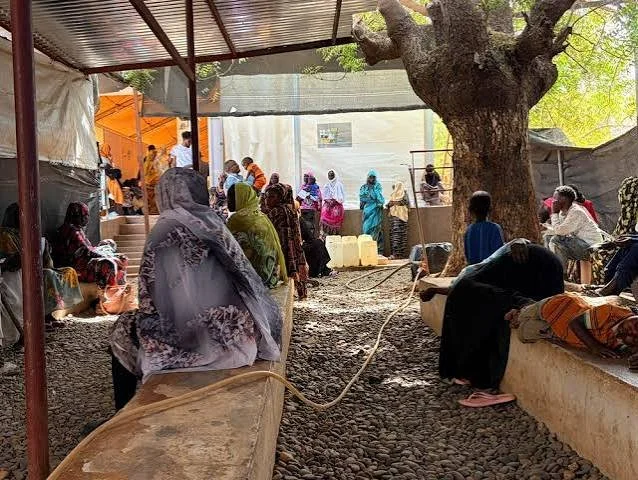
The RSF and SAF have been conducting attacks on healthcare facilities and healthcare workers
By 2026, 2000+ healthcare facilities have been destroyed
These attacks have short-term and long-term consequences on communities including:
Essential medication is no longer readily available
Forcing patients to buy the drugs at high costs
Hampering immunisation campaigns
This increases the likelihood of disease outbreaks
Already, diseases like malaria, dengue fever, measles, rubella and cholera are spreading
The number of patients is increasing but they have less access to on-the ground resources and support
It increases the physical distance between available healthcare providers
Thus increasing the risk of death for severely injured or labouring women.
Especially for those who live in remote areas as transport requires money and time they may not have
Some Injured people are forced to walk 160 km to get to the nearest clinic
Legal
Sudan is party to Geneva Conventions I - IV, which focuses on the protection of:
Armed force members on land and sea, prisoners of war, and the protection of civilians
Sudan is NOT a party to the Rome Statute
They are not bound by the Rome Statute’s criminalization of sexual violence in war
Sudan’s legal system combines English common law and Sharia law
Until 2015, rape was defined as adultery or fornication (zina)
This was punishable by 100 lashes for unmarried offenders
OR death for married offenders
To be guilty of zina, a case had to meet these elements:
a confession before the court unless retracted prior to execution of the sentence
the testimony of four witnesses
pregnancy of the woman if she is not married
OR an oath where the husband accuses his wife of adultery but there are no witnesses except himself
the husband had to repeat his accusation four times, including a fifth time where he prayed Allah’s curse be on him if he was not telling the truth
zina must be proven first in order for DNA evidence to be heard by the court.
Under this system, it was virtually impossible for a survivor to be proven innocent of a rape/zina charge
it also gave rapists impunity UNLESS they voluntarily admitted to the rape
While activists were able to get this law reformed so that rape and zina are no longer considered the same issue- the threshold of evidence remains the same
Barriers To Justice
Women in Sudan are more likely to be punished for sexual crimes than to be seen as victims
Women who report rape and start a court case risk being charged with zina (her allegation is treated as an admission of fault)
Married women who report rape are risking the death penalty
Though married women have been sentenced to death under zina, it is important to note that Sudan’s Supreme Court has never given its final approval in these cases
If the police do not fill out form 8 at the time of reporting (which details injuries like a recent loss of virginity, bleeding, or presence of sperm) the survivor risks being charged with gross indecency
Survivors can also be charged with gross indecency if they do not show signs of being forced
Under Sudanese law, gross indecency is punished with either a 1-year prison term or a fine
Abortion is both criminalized and stigmatized
Perpetrators from the police, national security, and army have immunity
How To Help
Supplying fuel for ambulances to transfer patients
Doctor’s Without Borders has been doing this but more help and resources are needed to support this effort
Supplying mass casualty kits
More medical supplies are needed
More emergency clinics and doctors are needed
Food and clean water is needed
Generators are needed