CRSV’s Stigma Problem Explained
During the 1994 Rwandan genocide, an estimated 250,000 to 500,000 women and girls experienced a form of sexual violence.
Nearly 10,000 to 25,000 children were born as a result.
This genocide rape was a deliberate strategy to ethnically cleanse the Tutsi community. It was also a tool of public shaming that ensured women and girls were not seen as marriageable or socially viable.
A McGill study documenting inter generational memory revealed that many of the mothers faced familial rejection, eviction from their family homes, financial difficulty, and unwanted singlehood due to the “stain of rape”.
Due to their mother’s trauma, many of the children learned about the way they were conceived from family members or from their neighbours. The neighbours would call them names like ‘little killers’.
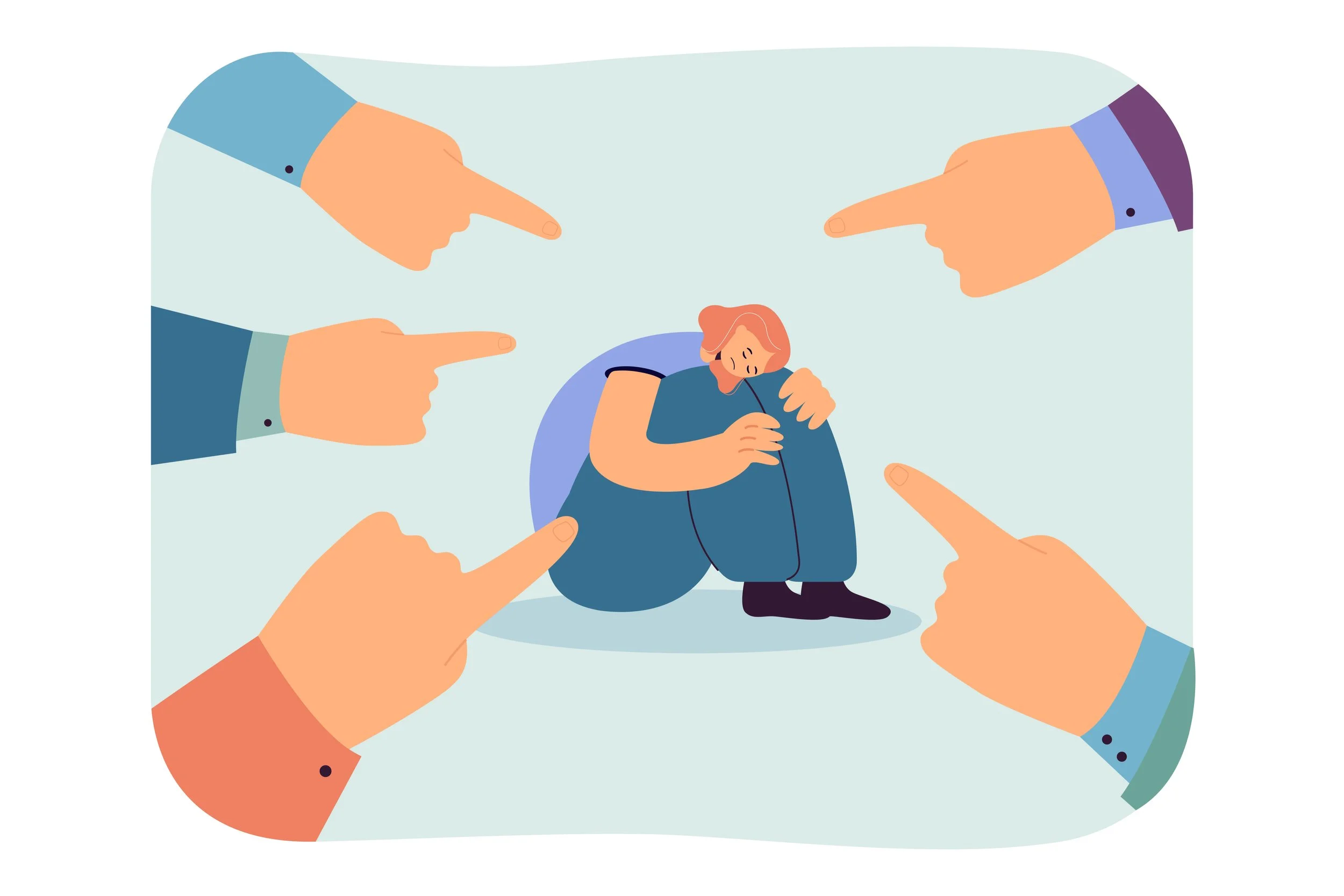
This is an example of the types of stigma that survivors experience from their neighbours and loved ones.
Stigma is the set of negative beliefs that a community has regarding something or someone.
Once stigmatized, it is difficult to gain social acceptance.
Unfortunately, stigma is a constant presence in CRSV cases.
Humans are inherently social creatures. We were not created to be without a social network. As a result, being rejected, withdrawn from or outcasted due to stigma is devastating to the human psyche.
Being stigmatized has negative effects on a survivor’s
Sense of self
Sense of belonging
Sense of purpose
Without these, survivors are more susceptible to mental health disorders like depression, anxiety, and PTSD.
This mental health component heightens the shame survivors feel. It also serves to silence survivors by keeping them from:
Speaking out about what happened
Seeking help from qualified professionals
Yet, the amount of stigma that CRSV survivors face is dependent on the culture they come from.
Conservative cultures (ones that follow patriarchal norms regarding honor, sexuality, and women’s bodies) are more likely to have a punitive response to victims of sexual violence:
For married survivors, this means they are more likely to be blamed and abandoned for the rape
For unmarried survivors, they are less likely to get married
Their neighbours may view them as traitors - who “willingly” slept with the enemy or as the enemies “leftovers”
For instance, the Central African Republic’s Civil War resulted in tens of thousands of people being sexually violated and/or raped. Yet, some Central African languages do not even have a word for rape because of how taboo/stigmatizing this subject is.