Explained: The (Many) Problems With CRSV
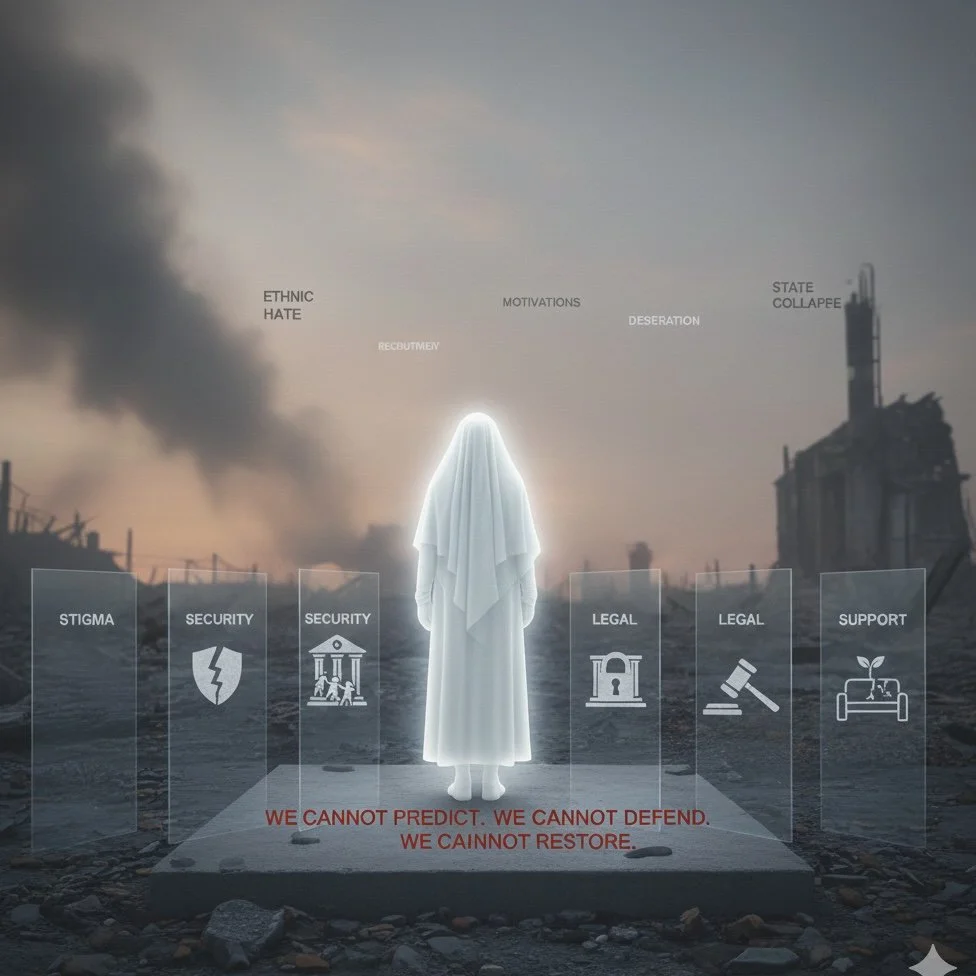
Conflict Related Sexual Violence has never had a simple fix.
There are many potential motivations for why a perpetrator commits an assault.
For this reason, we cannot reduce CRSV to a momentary decision to commit an atrocity.
Therefore, we must look at CRSV differently.
These factors all play a significant role one in determining a conflict’s level of brutality:
The ethnic history between the combatants
The military strategy employed
How the military is recruiting soldiers
The degree of state collapse
The role of non-affiliated armed combatants jailers, officials, community members, and loved ones in the assaults
These factors differ from conflict to conflict. As a result, CRSV survivors require individualized treatment.
Even if these factors were simplified to a base motivation (like an in-the-moment decision to rape, assault, humiliate etc.) there still exists several barriers to justice that require survivor-specific solutions.
Stigma and Underreporting
Are the survivors in a social environment that blames, punishes and/or attacks them for being assaulted?
How does the survivor’s cultural, communal and religious background interpret the assault?
How does the survivor interpret the result?
Does the survivor’s family and friends see what happened as ‘shameful’?
Would speaking out make the survivor’s social life worse?
When 1 out of every 10 - 20 survivors report their assault, how can we know the true number of cases?
Lack of Protective Security Measures
In a conflict zone, how can we identify and protect potential victims? Furthermore, if a victim wants to speak out:
How can they be protected from the soldier or the soldier’s friends coming back?
How can their family be protected?
Can survivors get to courts, lawyers, hospitals, community groups and therapy safely?
Lack of Legal Redress
In a conflict zone, how do survivors get justice?
Are there lawyers and courts that survivors can go to report what happened?
Is there relevant legislation in place that holds perpetrators accountable?
Will perpetrators show up/be held accountable if they are prosecuted?
What happens after? Will they face a penalty that is comparable to the crime or will they simply be let go?
Who is responsible for holding the perpetrator accountable - will they? For example, will the state hold state actors accountable for committing atrocities?
How broken down is the state’s government - can they back up legal redress?
Can the survivor afford the legal fees associated with seeking justice?
Barriers To Accessing Support
Do survivors have a place they can go to that can handle their psychological needs?
What do survivors need in order to access psychological help within 72 hours of their assault?
Do they require money, transportation, family/community support etc.
Does psychological support exist to them on a long-term basis?
If they are displaced, is there a way for them to access psychosocial support, even on a long-term basis?
Do survivors have a positive community they can/are integrated into?
. There are two problems with CRSV:
1. We cannot predict with a degree of certainty when and where CRSV will occur in a conflict. Therefore we cannot predict and we cannot defend potential survivors from it.
2. There are several barriers that exist that prevent survivors from receiving the justice and healing they desire.